Source Gasket Kit for Pumps, Vehicles, and Machinery
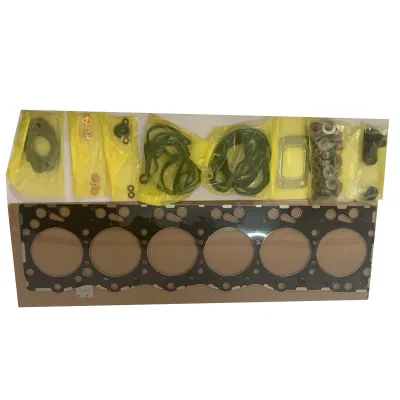
Find 30 gasket kit options for pumps, vehicles, and machinery. Compare EPDM and silicone rubber seals, O-rings, and lock washers from Chinese suppliers. Review OE numbers like 4025138 and model compatibility for Daewoo and M11 engines to select the right repair parts.
Key considerations
Products List




Comprehensive Sourcing Guide
Gasket Kit Sourcing Guide
Procuring a gasket kit requires careful attention to the specific mechanical interface and the material composition required for the intended application. Buyers must verify that the product condition is listed as new and confirm the exact model number, such as 4025138 or DAEWOO DL06, to ensure compatibility with existing machinery. The observed market offers a wide variety of configurations, ranging from standard lock washers to specialized shaft seals, necessitating a precise match between the part number and the equipment manual.
The sourcing strategy should also account for the diverse packaging and customization options available from suppliers in regions like Hubei and Shanghai. While some listings offer neutral packaging, others provide customized solutions or specific export packing to meet international logistics standards. Understanding whether the kit includes half a pack of combination washers or a full set of O-rings is critical for inventory planning and ensuring that the replacement parts are sufficient for the intended repair or maintenance cycle.
Product Scope and Observed Listing Signals
The current market for gasket kits displays a broad spectrum of product types, including O-rings, V-rings, and lock washers designed for pumps, vehicles, and industrial machinery. Buyers should note that materials vary significantly, with options ranging from EPDM and silicone rubber to stainless steel and synthetic rubber, each offering distinct performance characteristics like corrosion resistance or specific sealing effects. The observed listings indicate that these components are often available in multiple colors, such as black, grey, or red, which can sometimes serve as visual indicators of the material grade or specific application requirements.
Listing signals also reveal that these kits are frequently marketed for heavy-duty applications involving cars, trucks, tractors, and excavators, suggesting a need for robust durability. The presence of customization options and the availability of stock in locations like Ningbo and Shanghai indicate a flexible supply chain capable of meeting varied order sizes. However, the wide range of observed prices and minimum order quantities suggests that buyers must carefully evaluate the unit cost against the specific technical requirements rather than relying solely on the lowest price point.
Technical Specifications to Verify
Technical verification begins with confirming the precise model number and standard size, as listings show variations like 6D102 or M11 Upper gasket set that correspond to specific engine or machinery models. Buyers must ensure that the cross-section shape, such as V-rings or O-rings, aligns with the sealing surface geometry of the equipment to prevent leaks. The standard size is often cited as OEM Standard Size, but verifying the exact dimensions against the original equipment manufacturer's drawings is essential to avoid fitment issues during installation.
Material properties are equally critical, with EPDM and silicone rubber being common choices for their resilience against temperature and chemical exposure. The observed data highlights that raw materials like synthetic rubber are used to achieve specific forms, such as emulsions or granules, which influence the final product's flexibility and sealing capability. Buyers should explicitly check the performance claims regarding corrosion resistance and the specific application, such as wiper seals or pump shafts, to ensure the selected gasket kit will withstand the operational stresses of the intended environment.
Compliance and Safety Documentation
While some listings mention certifications like ISO T, buyers must treat these as observations rather than guaranteed compliance for every unit without direct verification. It is crucial to request specific documentation proving that the materials meet the required safety and environmental standards for the target industry, particularly when the gasket kit is intended for use in food-grade or high-pressure hydraulic systems. The absence of explicit certification details in general listings means that procurement teams must actively seek out test reports or material safety data sheets before finalizing a purchase.
Warranty terms, such as the observed 12-month coverage, provide a baseline for supplier accountability but should be clearly defined in the purchase agreement. Buyers need to confirm that the warranty covers defects in material and workmanship, specifically regarding the integrity of the seal under operational conditions. Ensuring that the supplier provides clear documentation on the origin of the raw materials, such as the distinction between standard and non-standard sizes, helps mitigate risks associated with premature failure or non-compliance with local safety regulations.
Cost Drivers and Commercial Terms
Cost drivers in the gasket kit market are heavily influenced by the material composition, with silicone rubber and stainless steel typically commanding higher prices than standard EPDM or synthetic rubber options. The observed price range of 0.1 to 295 USD reflects this disparity, indicating that buyers must balance budget constraints with the need for high-performance materials in demanding applications. Additionally, the complexity of customization and the specific packaging requirements, such as export packing or neutral packaging, can significantly impact the final unit cost and overall procurement budget.
Commercial terms also vary based on the minimum order quantity, which ranges from 1 to 1000 units depending on the supplier and product type. Buyers should negotiate clearly on the selling units, whether they are single items or bulk packs, and clarify the packaging details, such as 15kg per carton, to optimize shipping costs. Understanding the port of dispatch, often Ningbo, and the lead times associated with customized orders is essential for accurate inventory planning and ensuring that the supply chain remains responsive to production schedules.
Supplier Qualification and Quality Control
Supplier qualification requires a thorough review of the production origin, with notable manufacturing hubs in Hubei, Shanghai, and Ningbo, China. Buyers should verify the supplier's capacity to maintain consistent quality, especially when dealing with customized orders or specific model numbers like Grand or M11. The presence of stock availability and the ability to provide neutral or customized packing are positive indicators of a supplier's logistical readiness and flexibility in meeting diverse client needs.
Quality control processes must be validated through the supplier's adherence to standards, such as the OEM Standard Size or higher quality claims observed in the market. Buyers should request evidence of the production process, including how the raw materials are processed into the final form, whether it be emulsion or granules. Establishing a clear communication channel for addressing potential defects and ensuring that the product condition remains new upon delivery is vital for maintaining the integrity of the procurement process and minimizing downtime.
Long-Term Procurement Checks
Long-term procurement success depends on establishing a reliable supply chain that can consistently deliver gasket kits meeting the required technical and material specifications. Buyers should monitor the supplier's ability to maintain stock levels and fulfill orders for specific model numbers over time, ensuring that the supply remains uninterrupted for ongoing maintenance and repair needs. Regular audits of the supplier's quality control measures and adherence to the agreed-upon standards will help prevent issues related to material degradation or fitment failures.
It is also essential to periodically review the market for new materials or improved standards that could enhance the performance of the gasket kits. As technology evolves, suppliers may introduce new synthetic rubbers or improved sealing designs that offer better corrosion resistance or longevity. Maintaining a proactive approach to supplier relationships and staying informed about industry developments will enable buyers to make informed decisions that optimize both cost and performance in the long run.
FAQs
What materials are used for gasket kits?
Gasket kits are typically manufactured from EPDM synthetic rubber or silicone rubber. These materials provide excellent corrosion resistance and durability for various applications. The choice of material ensures effective sealing in pumps, vehicles, and industrial machinery components under demanding operating conditions.
Can I customize the gasket kit packaging?
Yes, customization is available for gasket kit packaging. Options include neutral nice packaging, customized carton packing, or export packing. Buyers can specify requirements such as 15kg per carton or other specific packaging details to meet their logistical needs and branding preferences.
What is the warranty period for gasket kits?
The standard warranty period for these gasket kits is 12 months. This coverage ensures quality assurance for replacements and repairs. Buyers can rely on this warranty for peace of mind when sourcing parts for cars, trucks, tractors, excavators, and other machinery applications.
Which OE numbers are supported for gasket kits?
Gasket kits support specific OE numbers such as 4025138. These parts are designed for replacement and repair purposes. The kits are compatible with models like DAEWOO DL06, 6D102, Grand, and M11 Upper gasket set, ensuring precise fitment for various engine and machinery components.
Where are the gasket kits manufactured?
The gasket kits are manufactured in China, with origins in Hubei, Shanghai, and Ningbo. Products are shipped from ports like Ningbo. This ensures reliable supply chains and access to high-quality OEM standard sizes and materials for global buyers seeking durable sealing solutions.
What is the minimum order quantity for gasket kits?
The minimum order quantity ranges from 1 to 1000 units depending on the specific product variant. This flexibility allows buyers to order small quantities for testing or large volumes for bulk production. Stock is generally available, facilitating quick dispatch and efficient inventory management for purchasers.